 Get in touch
GENERAL OPD
NOT EVERY EYE PROBLEM STARTS WITH A WARNING
Most eye conditions develop quietly, without obvious symptoms. By the time you notice a change in your vision, the condition may already need attention. Our General OPD helps identify eye problems early, assess your overall eye health, and guide you to the right specialist when needed.


What Is General OPD?
General OPD (Outpatient Department) is your first point of contact for comprehensive eye care. It's where every patient, regardless of age or complaint, receives a complete evaluation of their vision and eye health before any further treatment is recommended.
Many eye problems don't show obvious symptoms until they've already progressed. A routine checkup can pick up on issues like refractive errors, early cataracts, or signs of conditions such as glaucoma and diabetic retinopathy long before you'd notice anything yourself.
That's why every OPD visit starts with a thorough eye examination. Using detailed vision tests and diagnostic screening, our team builds a complete picture of your eye health and flags anything that needs closer attention.
A general OPD visit typically covers:
- Vision and refraction testing
- Eye pressure check (for glaucoma screening)
- Front-of-eye and retina examination
- Assessment of common complaints (redness, irritation, dryness, etc.)
- Guidance on whether specialist care is needed
At Amanat Eye Hospital, we believe every patient deserves a proper starting point, not a rushed diagnosis. That's why our OPD is led by experienced eye care professionals who take the time to understand your symptoms and history before deciding on next steps.
Whether you're due for a routine checkup, dealing with a new symptom, or need a referral to one of our specialty clinics like Cornea, Retina, Glaucoma, or Pediatric Ophthalmology, our General OPD is where your care begins.
General OPD (Outpatient Department) is your first point of contact for comprehensive eye care. It's where every patient, regardless of age or complaint, receives a complete evaluation of their vision and eye health before any further treatment is recommended.
Many eye problems don't show obvious symptoms until they've already progressed. A routine checkup can pick up on issues like refractive errors, early cataracts, or signs of conditions such as glaucoma and diabetic retinopathy long before you'd notice anything yourself.
That's why every OPD visit starts with a thorough eye examination. Using detailed vision tests and diagnostic screening, our team builds a complete picture of your eye health and flags anything that needs closer attention.
A general OPD visit typically covers:
- Vision and refraction testing
- Eye pressure check (for glaucoma screening)
- Front-of-eye and retina examination
- Assessment of common complaints (redness, irritation, dryness, etc.)
- Guidance on whether specialist care is needed
At Amanat Eye Hospital, we believe every patient deserves a proper starting point, not a rushed diagnosis. That's why our OPD is led by experienced eye care professionals who take the time to understand your symptoms and history before deciding on next steps.
Whether you're due for a routine checkup, dealing with a new symptom, or need a referral to one of our specialty clinics like Cornea, Retina, Glaucoma, or Pediatric Ophthalmology, our General OPD is where your care begins.
Why a Complete Eye Check Matters
Most eye conditions give no warning before they start affecting your vision.
At Amanat Eye Hospital, your general OPD visit includes:
- Vision and refraction testing
- Eye pressure measurement
- Front-of-eye examination
- Dilated retinal examination
- Screening for glaucoma, cataracts, and diabetic eye disease
- Review of your symptoms and eye history
This complete evaluation allows our team to catch problems early and guide you to the right specialist before a small issue becomes a bigger one.
Why a Complete Eye Check Matters
Most eye conditions give no warning before they start affecting your vision.
At Amanat Eye Hospital, your general OPD visit includes:
- Vision and refraction testing
- Eye pressure measurement
- Front-of-eye examination
- Dilated retinal examination
- Screening for glaucoma, cataracts, and diabetic eye disease
- Review of your symptoms and eye history
This complete evaluation allows our team to catch problems early and guide you to the right specialist before a small issue becomes a bigger one.
Our OPD Examination
Visual Acuity & Refraction
Measuring How You See Near and Far
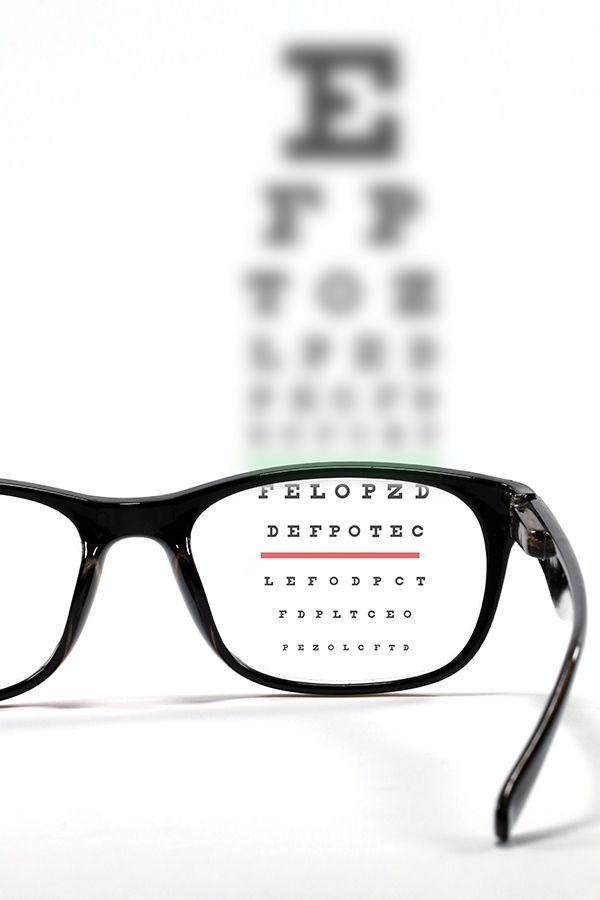
This is where almost every eye exam begins. Using a standard eye chart, we check how clearly you can see both up close and far away. It's a simple test, but it gives us an important baseline for everything else we check afterward. If your vision isn't as sharp as it should be, we'll do a quick refraction test to find out why, whether it's short-sightedness, long-sightedness, astigmatism, or an age-related change in focus. This tells us if you simply need glasses or contact lenses, or if further testing is needed.
Visual Acuity & Refraction
Measuring How You See Near and Far
What to expect during your visit
Before Your Exam
Your visit starts with a quick conversation about your symptoms or concerns. From there, we tailor a series of vision and health screenings to what you actually need, not a one-size-fits-all checklist.
During Your Exam
Most general OPD tests are quick, painless, and require no special preparation. Some tests, like a dilated fundus exam, may involve eye drops that temporarily blur your vision or increase light sensitivity for a few hours.
After Your Exam
Our optometrist or ophthalmologist will walk you through the findings and, if needed, refer you to the appropriate specialist department for further evaluation or treatment.
Why Millions Trust
Amanat Eye Hospital
Detailed & Unhurried Assessments
We don't rush through checklists. Every general OPD visit is structured to give a complete, accurate picture of your eye health.
Optometrists You Can Rely On
Our optometrists and ophthalmologists bring years of clinical experience to even the most routine check-up, ensuring subtle signs aren't missed.
Diagnosis You Can Trust
From autorefraction to slit-lamp biomicroscopy, we use modern diagnostic tools to support accurate, evidence-based assessments at every visit.
No Paperwork, Just Direct Referrals
If your exam reveals something that needs specialist attention, our General OPD connects you directly to the right department within Amanat Eye Hospital, without any long paperwork or delay.
Every Goodbye to Glasses Has a Story!

Javeria Arshad
(Senior Talent Executive)
For Javeria, glasses and contact lenses often got in the way of the life she wanted to live. Water s... See more...

Usama Fayyaz
(Berlin, Germany)
After wearing glasses for over 10 years, Usama travelled all the way from Berlin, Germany, to Amanat... See more...
Azka Malik
(Content Creator)
With a prescription of -5.75, Azka had relied on glasses for clear vision in both her personal and p... See more...
Yusma Akhand
(Content Creator)
For 13 years, Yusma relied on glasses to see the world clearly. She had always dreamed of life witho... See more...

Aman Ali
(Content Creator)
After wearing glasses for 7 years, Aman decided it was time to experience life with clearer vision. ... See more...

Rashid Mehmood
(Content Creator)
For 10 years, glasses were part of Rashid's everyday life. Looking for a long-term vision correction... See more...
FREQUENTLY ASKED QUESTIONS
What is OPD?
OPD stands for Outpatient Department. It's the part of a hospital or clinic where patients can see a doctor, get tests done, or receive treatment without being admitted or staying overnight. Once the consultation or procedure is finished, the patient goes home the same day.
What are Amanat Eye Hospital's standard OPD hours?
Our OPD is open daily from 9:00 AM to 8:00 PM. If you'd like to see a specific specialist, we recommend calling at 051 8439993 to confirm their availability, as timings may vary by doctor.
Do I have to take an appointment before visiting OPD?
No, you can walk in during OPD hours. To see a specific specialist or for follow-ups, an appointment may be needed.
How long does a typical OPD eye consultation take?
A routine consultation usually takes 20 to 30 minutes, though it may take longer if additional tests like dilation or scans are needed.
Will my eyes be dilated during the OPD visit?
Dilation is done only if the doctor feels it's necessary for a proper examination. If dilated, your vision may stay blurry for a few hours, so it's best to bring someone along or avoid driving afterward.
What are the most common eye tests done during an OPD visit?
Common tests include visual acuity (reading chart), refraction test for glasses/contact lens power, eye pressure check (for glaucoma), and a general retina examination.
Mission
To ensure no one in Pakistan has to live with preventable vision loss. We combine advanced technology, expert medical care, and patient-first treatment, delivered closer to home through our growing hospital network.
Vision
To redefine the future of eye care in Pakistan, making Amanat Eye Hospital the benchmark for advanced eye innovation, scientific research, and clear results that give patients their independence.