 Get in touch
GLAUCOMA
PROTECT YOUR SIGHT FROM THE
SILENT THIEF
This thief can strike without warning. Glaucoma quietly raises pressure inside the eye, damaging the optic nerve until vision loss becomes permanent. No age group is immune to it. The good news: early screening can catch it in time and protect what you have.




What Is Glaucoma?
Glaucoma is a group of progressive eye diseases that cause permanent damage to the optic nerve, the vital cable that sends visual data from your eye to your brain.
Normally, fluid inside the eye drains at a steady rate, keeping pressure balanced. When this drainage slows or becomes blocked, pressure builds up inside the eye and gradually damages the optic nerve. This is what leads to glaucoma, one of the world's leading causes of irreversible vision loss. In many cases, it develops with no symptoms at all, which is why it's often called the silent thief of sight. Even babies can have glaucoma. While it's more common in adults over 40, congenital glaucoma can affect infants too, making early screening important at every age.
Left untreated, glaucoma can progress to:
- Patchy blind spots in peripheral vision
- Tunnel vision in advanced stages
- Central vision loss in late stages
At Amanat Eye Hospital, every glaucoma treatment plan begins with understanding your eyes. Every case is different, depending on the stage of the disease and how much damage has already occurred, which is why every treatment begins with a comprehensive diagnostic assessment. Using world-class technology and personalized treatment planning, our glaucoma specialists recommend the safest and most effective option for your eyes.
Whether it is medicated eye drops (beta-blockers, ROCK inhibitors), laser therapy (SLT, LPI), or surgical intervention (MIGS, trabeculectomy), we will provide you with the treatment that helps protect your vision.
Why a Comprehensive Assessment Matters
The key to successful glaucoma treatment starts with an accurate diagnosis.
A single eye pressure reading is not enough to diagnose glaucoma. Two people with the exact same eye pressure can have entirely different outcomes: one may develop glaucoma, while the other has completely healthy vision. That's because glaucoma harms the optic nerve itself, not just eye pressure.
At Amanat Eye Hospital, your glaucoma screening includes:
- Intraocular pressure measurement (Tonometry)
- Optic nerve imaging (OCT)
- Visual field testing
- Corneal thickness measurement (Pachymetry)
- Drainage angle assessment (Gonioscopy)
- Dilated optic nerve and retinal examination
- General eye health assessment
Every detail of this assessment, from pressure to nerve health to drainage, helps our specialists build a treatment plan around your specific risk, one designed to protect your independence and vision.
Glaucoma Treatments
We Offer

MEDICATED EYE DROPS
Your First Line of Defence
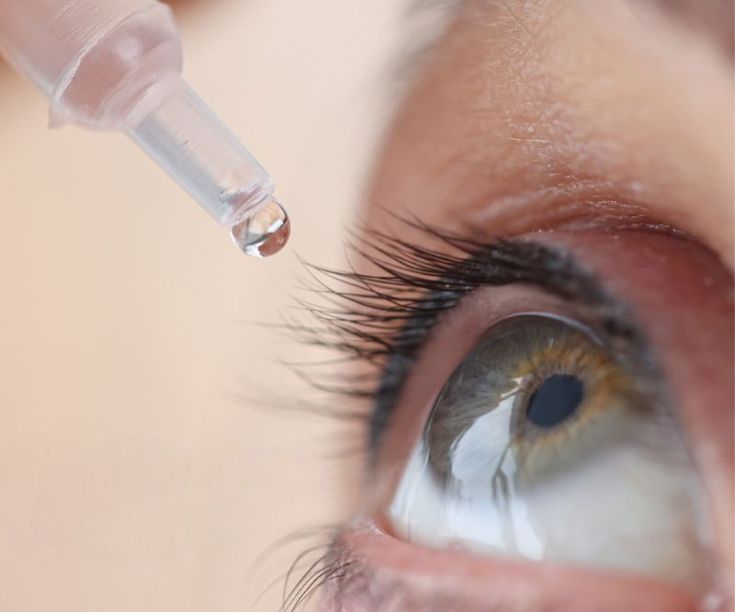
For most patients, glaucoma treatment begins here. Medicated eye drops are prescribed to lower the pressure inside your eye, and when used correctly, they are highly effective at slowing or stopping glaucoma from progressing.
At Amanat Eye Hospital, we take time to explain your drops, how they work, and how to use them properly, because consistency matters. We select from several classes of medication depending on your type of glaucoma, your pressure targets, and how well your eye tolerates the drops:
• Prostaglandin Analogues: The most commonly prescribed class. These increase fluid outflow from the eye and are typically used once daily in the evening, making them easy to incorporate into your routine.
• Beta-Blockers: These reduce the amount of fluid your eye produces. They are often used in combination with prostaglandins and have a long track record of effectiveness.
• ROCK Inhibitors: A newer generation of drops that work by relaxing the eye's drainage tissue, improving outflow in a way that complements other medications. These can be especially useful when previous drops have not been sufficient on their own.
If you are on multiple drops or struggling with side effects, we can also discuss combination medications that simplify your regimen without compromising control.
MEDICATED EYE DROPS
Your First Line of Defence
For most patients, glaucoma treatment begins here. Medicated eye drops are prescribed to lower the pressure inside your eye, and when used correctly, they are highly effective at slowing or stopping glaucoma from progressing.
What to expect during your journey
Before Treatment
Your journey starts with a detailed consultation, diagnostic imaging, and an honest conversation about which treatment is right for your eyes. Our team will answer every question you have. We want you to keep fully informed and relaxed before any decision is made.
During Treatment
What happens here depends on your treatment. Laser procedures are quick, often just a few minutes per eye, using only numbing drops, with no incisions. Surgical procedures like MIGS or trabeculectomy take a little longer and may involve local anesthesia with light sedation for your comfort. In both cases, most patients return home the very same day.
After Treatment
Recovery looks different for everyone, depending on the treatment you had. Your surgeon will see you for follow-up visits to monitor healing, check your eye pressure, and guide you through recovery every step of the way, so you are never navigating it alone.
Why Millions Trust
Amanat Eye Hospital
Experienced Glaucoma Specialists
Our surgeons bring years of dedicated experience in diagnosing and treating every stage of glaucoma, from early detection to advanced surgical care.
Advanced Diagnostic Technology
From OCT imaging to visual field testing, we use the same tools trusted by leading eye hospitals worldwide, so nothing is missed.
Personalized Treatment Plans:
No two patients receive the same plan. We match your treatment to your stage of disease, your eyes, and your life.
Ongoing Care, Not Just a Procedure
Glaucoma requires long-term monitoring. We stay with you well beyond your treatment day, protecting your vision for years to come.
Reviews!
Hina Fawad
Graphic Designer
Age: 32
Procedure: Glaucoma Surgery
Hina had no symptoms at all until a routine eye exam picked up unusually high pressure inside her eye. A detailed diagnostic assessment at Amanat Eye Hospital confirmed early signs of glaucoma before any real damage had occurred. Surgery helped bring her pressure under control quickly and safely. She now has regular follow-ups to keep her vision protected for years to come.

Zainab Rauf
University Student
Age: 24
Procedure: Glaucoma Surgery
Zainab never imagined glaucoma could affect someone her age until a family history check led her to get screened early. Her diagnostic workup at Amanat Eye Hospital revealed pressure levels that needed more than drops to control. Surgery addressed the issue before it could threaten her long-term vision. She now manages her condition with confidence and a clear follow-up plan.
Nasir Ahmed
Shop Owner
Age: 52
Procedure: Glaucoma Surgery
Nasir first noticed occasional blurriness but assumed it was simply age catching up with him. A comprehensive assessment at Amanat Eye Hospital revealed advancing glaucoma that needed surgical intervention to prevent further vision loss. The team walked him through the entire process, from diagnosis to recovery, with clear explanations at every step. His pressure is now stable, and his remaining vision is well protected.
Iftikhar Ali
Retired Government Officer
Age: 68
Procedure: Glaucoma Surgery
By the time Iftikhar was diagnosed, his glaucoma had already advanced past what drops or laser therapy alone could manage. Dr. Mujadad at Amanat Eye Hospital explained every step of the surgical option before moving forward. The procedure protected his optic nerve from further deterioration and stabilized his pressure. At his age, he says the peace of mind alone was worth it.
FREQUENTLY ASKED QUESTIONS
Does glaucoma have any symptoms I would notice?
No. That's what makes glaucoma dangerous. It develops silently, slowly stealing side vision before you notice anything is wrong. By the time symptoms appear, damage is often already permanent, which is why regular eye exams matter more than waiting for warning signs.
Is glaucoma treatment painful?
No. Most glaucoma treatments cause little to no pain. Eye drops may sting briefly, and laser or surgical options use numbing anesthesia, so you're comfortable throughout. Any soreness afterward is usually mild and short-lived.
At what age should I start getting screened for glaucoma?
Generally, everyone should start regular eye exams by age 40. But those with a family history or other risk factors should begin screening in their 20s or 30s.
How often should I get screened for glaucoma?
Adults over 40, those with a family history of glaucoma, or those with other risk factors should have regular eye exams. Your eye specialist will recommend a screening schedule based on your individual risk profile.
Can glaucoma be cured?
No, glaucoma cannot be cured, but it can be controlled. Most people preserve their vision and avoid significant vision loss for life with early diagnosis and consistent treatment including drops, laser, or surgery.
Will I need glaucoma treatment for the rest of my life?
In most cases, yes. Glaucoma is a chronic condition that requires ongoing monitoring, even after successful treatment. Your surgeon will schedule regular follow-ups to track your eye pressure and adjust your plan as needed.
How often will I need to be checked once I'm diagnosed?
This depends on the severity of your condition, but most patients are seen every three to six months. Your surgeon will set a schedule based on your test results.
Can babies get glaucoma?
Yes, though it's rare (called congenital or infantile glaucoma), present at birth or developing in early childhood due to a problem with the eye's drainage system. Parents may notice cloudy corneas, excessive tearing, light sensitivity, or unusually large eyes, and early treatment, usually surgery, gives the best outcomes.
Mission
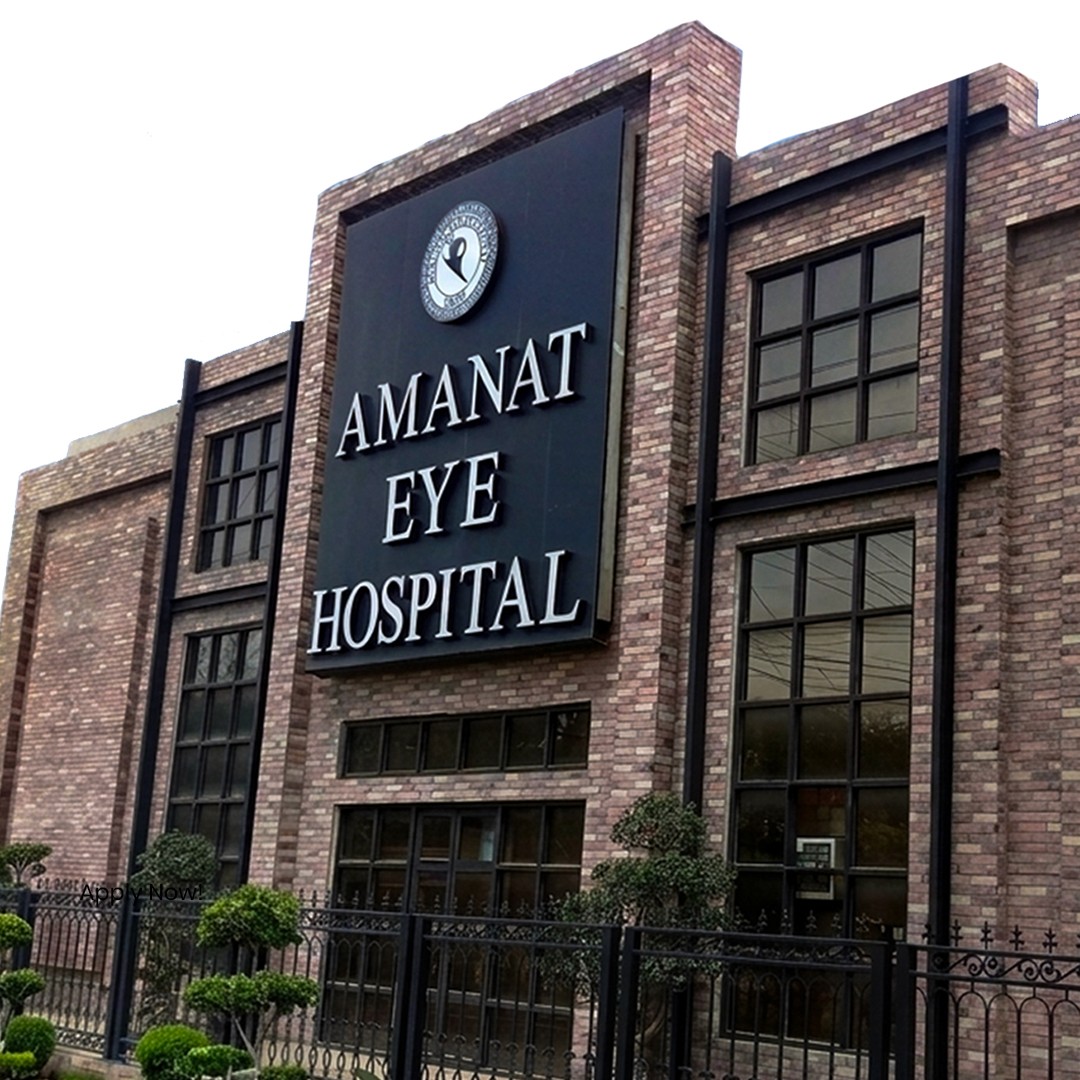
To ensure no one in Pakistan has to live with preventable vision loss. We combine advanced technology, expert medical care, and patient-first treatment, delivered closer to home through our growing hospital network.
Vision
To redefine the future of eye care in Pakistan, making Amanat Eye Hospital the benchmark for advanced eye innovation, scientific research, and clear results that give patients their independence.