 Get in touch
REFRACTIVE
LIFE BEYOND GLASSES STARTS HERE!
For years, you've relied on glasses or contact lenses to see clearly. Refractive surgery offers a long-term solution by correcting the shape of your cornea, helping you achieve clear vision with reduced dependence on visual aids.




What Is Refractive Surgery?
Refractive surgery is a group of procedures designed to correct common vision problems by changing the way light focuses inside the eye. The goal is to reduce or eliminate the need for glasses or contact lenses.
Normally, light entering the eye should focus directly on the retina. When the shape of the cornea or the length of the eye prevents this from happening, vision becomes blurred. This is known as a refractive error.
Laser vision correction reshapes the cornea or, in some cases, implants a corrective lens to allow light to focus more accurately, resulting in clearer vision.
It can help correct:
- Near-sightedness (Myopia)
- Long-sightedness (Hyperopia)
- Astigmatism
- Certain age-related refractive conditions
At Amanat Eye Hospital, we believe vision correction is never one-size-fits-all. Every eye has its own unique anatomy, which is why every treatment begins with an advanced diagnostic assessment. Using world-class technology and personalised surgical planning, our refractive surgeons recommend the safest and most effective procedure for your eyes.
Refractive surgery is a group of procedures designed to correct common vision problems by changing how light focuses inside the eye, reducing or eliminating the need for glasses or contact lenses.
Normally, light entering the eye should focus directly on the retina. When the shape of the cornea or the length of the eye prevents this, vision becomes blurred, known as a refractive error. Laser vision correction reshapes the cornea, or in some cases implants a corrective lens, to allow light to focus more accurately for clearer vision.
It can help correct:
- Near-sightedness (Myopia)
- Long-sightedness (Hyperopia)
- Astigmatism
- Certain age-related refractive conditions
At Amanat Eye Hospital, vision correction is never one-size-fits-all. Every eye has unique anatomy, so every treatment begins with an advanced diagnostic assessment. Using world-class technology and personalised planning, our surgeons recommend the safest, most effective procedure for your eyes, whether MS-39 Guided Femto LASIK, SMILE, Femto LASIK, PRK, Trans-PRK, ICL, or Clear Lens Exchange.
Why A Comprehensive Assessment Matters?
One of the most important parts of refractive surgery happens before the procedure.
A patient's glasses prescription alone is not enough to determine whether laser vision correction is appropriate. Conditions such as irregular corneas, early corneal disease, severe dry eye, or retinal problems may affect treatment recommendations.
At Amanat Eye Hospital, your refractive assessment includes:
- Detailed refraction and vision testing
- Corneal tomography and topography
- Corneal thickness measurement
- Tear film evaluation
- Pupil size assessment
- Dilated retinal examination
- General eye health assessment
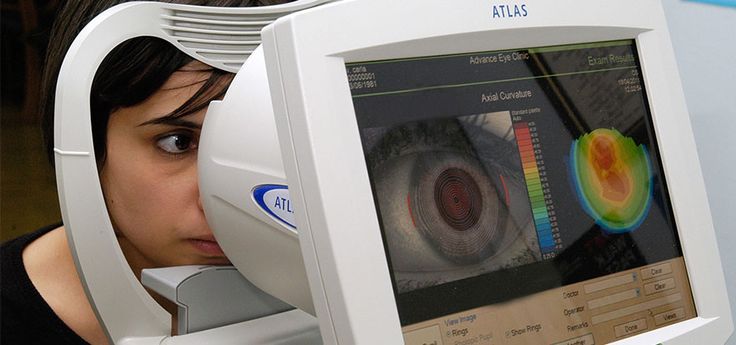
This thorough evaluation allows our surgeons to recommend the treatment that is most suitable for your eyes while prioritising long-term visual health.
Why A Comprehensive
Pediatric Assessment Matters?
One of the most important parts of refractive surgery happens before the procedure.
At Amanat Eye Hospital, your refractive assessment includes:
- Detailed refraction and vision testing
- Corneal tomography and topography
- Corneal thickness measurement
- Tear film evaluation
- Pupil size assessment
- Dilated retinal examination
- General eye health assessment
This thorough evaluation allows our surgeons to recommend the treatment that is most suitable for your eyes while prioritizing long-term visual health.
Our Refractive
Surgery Procedures
MS-39 GUIDED FEMTO LASIK
Pakistan's Most Advanced Personalised Laser Vision Correction
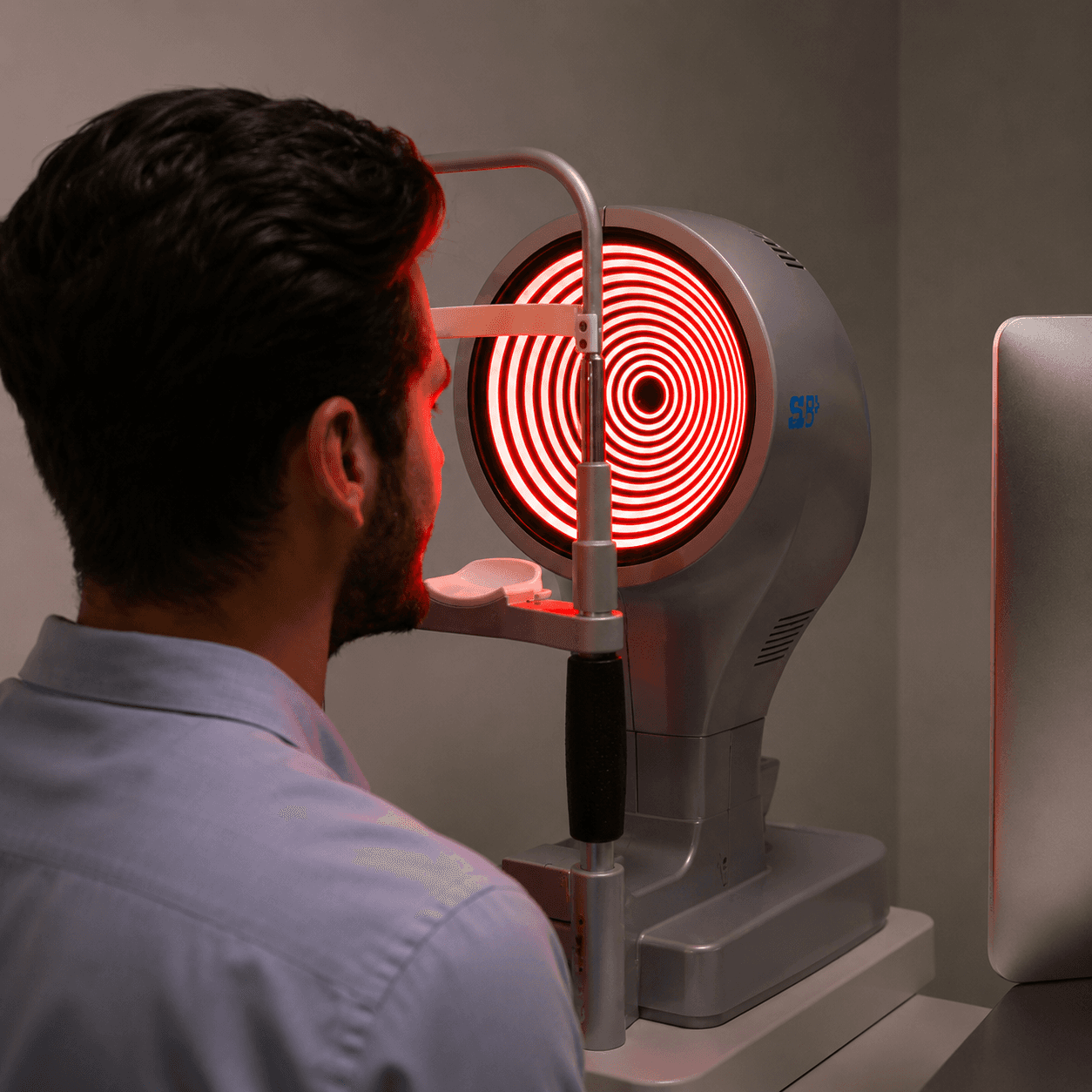
Every eye is different, and so is every cornea. Standard vision tests don’t always show the full picture needed for laser vision correction.At Amanat Eye Hospital, MS-39 Guided Femto LASIK combines advanced corneal analysis with femtosecond laser technology to create a treatment plan tailored to your eyes. The MS-39 uses high-resolution anterior segment OCT, Placido-disc corneal topography, epithelial thickness mapping, and 3D corneal tomography to assess your cornea in detail. Your treatment is then performed using the SCHWIND AMARIS® 1050RS Limited Edition Excimer Laser, designed for precise eye tracking and customised laser treatment. If your eyes need a different approach, our refractive team can recommend the procedure that best suits your eye health and visual goals.
MS-39 Guided Femto LASIK
Pakistan's Most Advanced Personalised Laser Vision Correction
Every eye has a unique corneal shape and structure, and standard vision measurements alone may not capture all the details needed to plan laser vision correction.
What to expect
during your journey
Before Surgery
Your consultation includes a detailed assessment, diagnostic imaging, discussion of suitable treatment options, and an opportunity to ask questions about the procedure.
During Surgery
Most laser procedures are performed using anaesthetic eye drops and take only a few minutes per eye. Patients usually return home on the same day.
After Surgery
Recovery varies depending on the procedure performed. Follow-up appointments allow your surgeon to monitor healing and provide personalised guidance throughout recovery.
Why Millions Trust
Amanat Eye Hospital
Customized Treatment Plans
There is no single laser procedure that's right for everyone. We recommend the option that best matches your eyes and your lifestyle.
Experienced Refractive Surgeons
Laser vision correction requires careful clinical judgement as well as surgical precision. Our refractive surgeons assess each patient's eye health, visual goals, and lifestyle before recommending treatment.
Advanced Diagnostic Technology
Accurate diagnosis is the foundation of successful refractive surgery. We use advanced diagnostic imaging and corneal analysis tools like MS39, Pentacam, Galilei, Corvis, etc. to understand the unique characteristics of every eye and create personalised treatment plans.
Continuity of Care
Your care does not end after surgery. Scheduled follow-up appointments allow our team to monitor healing, answer your questions, and support your recovery.
Every Goodbye to Glasses Has a Story!
Javeria Arshad
(Senior Talent Executive)
For Javeria, glasses and contact lenses often got in the way of the life she wanted to live. Water s... See more...
Yusma Akhand
(Content Creator)
For 13 years, Yusma relied on glasses to see the world clearly. She had always dreamed of life witho... See more...
Aman Ali
(Content Creator)
After wearing glasses for 7 years, Aman decided it was time to experience life with clearer vision. ... See more...
Azka Malik
(Content Creator)
With a prescription of -5.75, Azka had relied on glasses for clear vision in both her personal and p... See more...
FREQUENTLY ASKED QUESTIONS
Is refractive surgery painful?
No. Refractive surgery is generally not painful. Numbing eye drops are used before the procedure to keep you comfortable, so most patients feel little to no pain during the treatment. You may experience mild discomfort for a short time after surgery.
Am I a suitable candidate for refractive surgery?
You may be a suitable candidate if you are over 18, have a stable glasses prescription, and have healthy eyes. However, a comprehensive eye examination and diagnostic tests are required to confirm whether refractive surgery is right for you.
What should I do before my refractive surgery?
Your surgeon will provide personalised instructions based on your treatment. If you wear contact lenses, you may need to stop wearing them for a specific period before your eye examination or surgery, as contact lenses can temporarily change the shape of your cornea.
How long does refractive surgery take?
The laser treatment itself usually takes only a few minutes per eye. However, your overall visit may take longer due to pre-operative preparation, final checks, and post-operative instructions.
How long does recovery take?
Recovery depends on the procedure performed. Many patients notice improved vision within a few days, while complete healing may take longer depending on the treatment.
Mission
To ensure no one in Pakistan has to live with preventable vision loss. We combine advanced technology, expert medical care, and patient-first treatment, delivered closer to home through our growing hospital network.
Vision
To redefine the future of eye care in Pakistan, making Amanat Eye Hospital the benchmark for advanced eye innovation, scientific research, and clear results that give patients their independence.